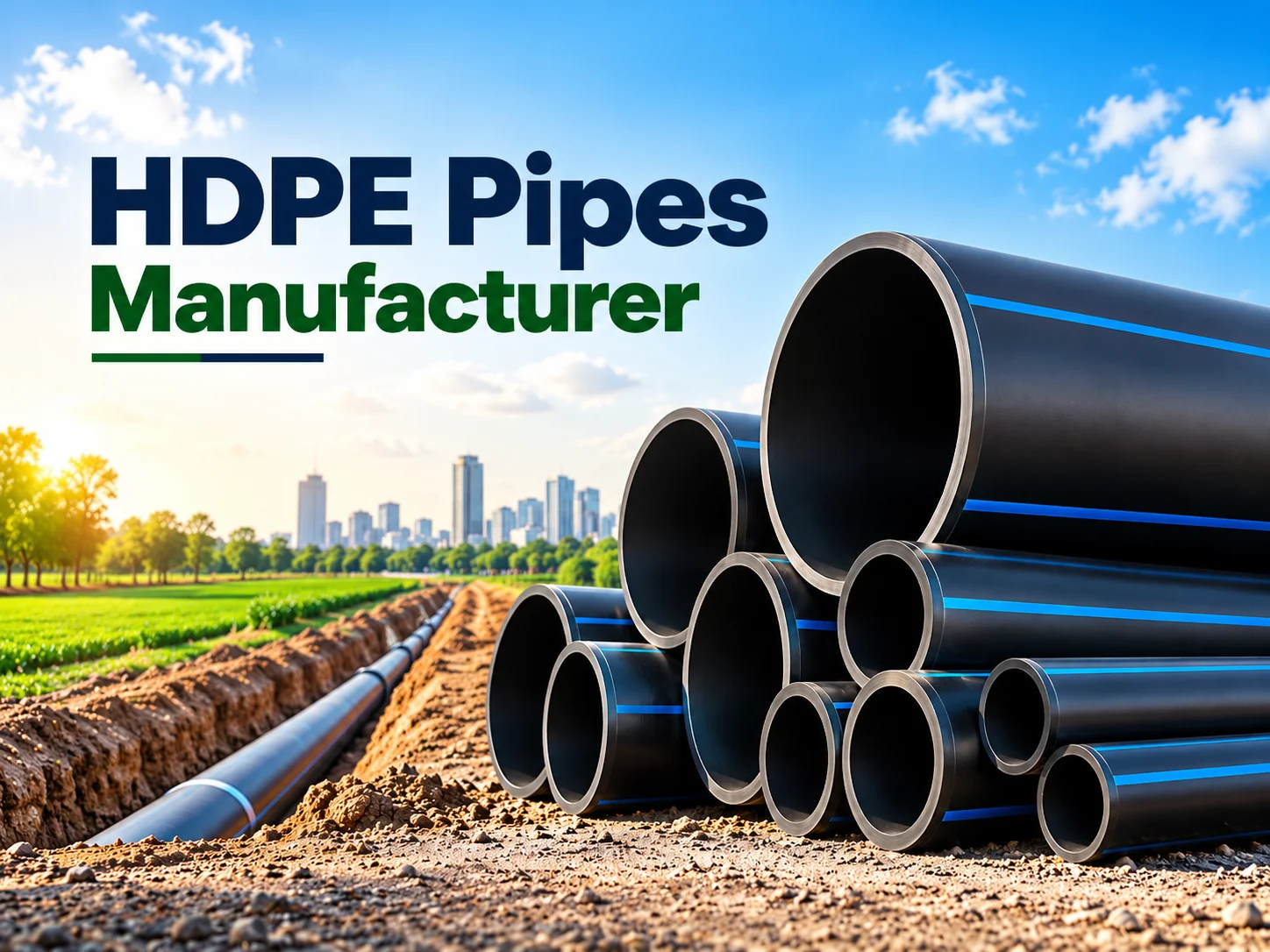
HDPE Pipes Manufacturer in Bangalore for Industrial & Infrastructure Projects
Looking for HDPE pipes in Bangalore for a water supply network, industrial facility or infrastructure project? Choose piping solutions that match your application, operating conditions and technical specifications. Peskorr Polymers offers HDPE piping solutions alongside DWC pipes, electrical conduit pipes and fittings for different project requirements.
Looking for HDPE Pipe Suppliers in Bangalore?
HDPE pipes offer a practical option for many water distribution, utility, agricultural and industrial applications. Their corrosion resistance, flexibility and relatively lightweight construction make them useful across several project types. Moreover, the right pipe can support efficient installation when it matches the site's operating conditions.
However, choosing an HDPE pipe involves more than comparing prices. You should also check the pipe diameter, wall thickness, pressure rating, material grade and applicable standards. Therefore, understanding your project requirements before placing an order can help you select a suitable product.
Peskorr Polymers provides polymer piping solutions for infrastructure, utility and industrial requirements. In this guide, explore HDPE pipe applications, benefits, specifications and selection factors before requesting a quotation for your Bangalore project.
What Are HDPE Pipes?
HDPE stands for High-Density Polyethylene. It is a thermoplastic material that manufacturers use to produce pipes for water distribution, utilities and selected industrial applications. Depending on the product design, HDPE pipes can support different pressure and installation requirements.
How Are HDPE Pipes Different?
Unlike conventional metal pipes, HDPE pipes do not rust. In addition, their flexibility can help them accommodate certain ground conditions and installation layouts. Their relatively low weight can also simplify transportation and handling.
Why Does the Application Matter?
Not every HDPE pipe suits every application. For example, a water distribution system has different requirements from an industrial fluid transportation system. Therefore, always match the pipe's material grade, dimensions, pressure rating and applicable standards to the project specification.
Key Benefits of HDPE Pipes for Commercial Projects
Project owners and contractors consider several factors before selecting a piping system. HDPE offers useful material characteristics for suitable applications. Here are its key benefits.
Corrosion Resistance
HDPE does not rust like metal. Therefore, it can suit many underground and utility applications where moisture and soil conditions matter.
Flexibility
HDPE pipes offer flexibility for suitable installation layouts. As a result, they can accommodate certain ground movements and site conditions when the design allows.
Lightweight Construction
Compared with many metal piping options, HDPE pipes generally weigh less. Consequently, handling, transportation and positioning can become easier.
Chemical Resistance
HDPE resists many chemicals. However, compatibility depends on the chemical, concentration, temperature and exposure period. Always verify suitability before industrial use.
Suitable Jointing Options
Depending on the pipe specification, installers can use butt fusion, electrofusion or compatible mechanical connections. Proper equipment and trained installers help ensure suitable joints.
Versatile Applications
HDPE pipes serve several sectors, including water distribution, agriculture, utilities and selected industrial systems. Nevertheless, each application requires the correct pipe specification.
Applications of HDPE Pipes
HDPE pipes support a range of utility and infrastructure requirements. However, the correct product depends on the operating pressure, fluid, temperature, installation environment and applicable standards.
HDPE Pipes for Water Supply
Suitable HDPE pipes can serve water distribution networks. Buyers should consider the required flow, pressure rating, pipe diameter and relevant product standards before selecting a pipe.
HDPE Pipes for Agriculture and Irrigation
Agricultural projects use suitable HDPE piping systems to distribute water across irrigation networks. In addition, the required diameter and pressure rating should match the layout and water requirements.
HDPE Pipes for Industrial Applications
Selected HDPE pipes can transport compatible industrial fluids. However, buyers should check chemical compatibility, operating temperature, pressure and other application requirements.
HDPE Pipes for Infrastructure Projects
Infrastructure projects may use HDPE pipes in selected underground and utility systems. Therefore, project specifications and installation conditions should guide product selection.
| Application | Typical Use | What to Check |
|---|---|---|
| Water supply | Suitable water distribution networks | Pressure rating, diameter and applicable standard |
| Agriculture | Suitable irrigation and water distribution systems | Flow requirements and operating pressure |
| Industrial facilities | Transportation of compatible process fluids | Chemical compatibility and temperature |
| Infrastructure | Selected underground and utility piping systems | Site conditions and project specifications |
| Drainage and wastewater | Appropriately designed drainage systems | Pipe construction and relevant standards |
HDPE Pipe Grades and Specifications: What Buyers Should Know
HDPE pipes come in different material grades and dimensional specifications. Therefore, buyers should review the project specification instead of selecting a pipe based only on its outside diameter or price.
PE80 and PE100 Material Grades
PE80 and PE100 refer to polyethylene material classifications used in pipe specifications. The required grade depends on the design, application and applicable product standard. In particular, the project engineer should confirm the suitable material grade and pressure requirements before procurement.
Pipe Diameter and Wall Thickness
Pipe diameter influences flow capacity, while wall thickness forms part of the pipe's pressure and structural design. In addition, the selected dimensions must match the system layout, flow requirements and installation conditions.
Pressure Rating and SDR
SDR, or Standard Dimension Ratio, expresses the relationship between the pipe's outside diameter and wall thickness. A lower SDR generally indicates a thicker wall relative to the outside diameter. However, always verify the actual pressure rating for the specified material, temperature and standard.
Applicable Standards and Documentation
Different applications require different standards. For example, IS 4984 covers polyethylene pipes for water supply. Therefore, ask the supplier for relevant technical documentation, test reports and conformity details where applicable.
How to Choose the Right HDPE Pipes in Bangalore
Before contacting an HDPE pipe supplier in Bangalore, prepare the technical details of your project. This makes product selection and quotation discussions more efficient.
1. Identify the Application
First, identify whether you need pipes for water distribution, irrigation, industrial fluid transportation or another utility application. This step helps narrow down the appropriate product specifications.
2. Confirm the Required Diameter
Next, check the required pipe diameter against the system design and flow requirements. If you have a project drawing or bill of quantities, share it with the supplier to support accurate product selection.
3. Check Pressure Rating and Material Grade
The operating pressure, temperature and possible pressure surges all influence pipe selection. Therefore, confirm the required pressure rating and material grade with your project engineer before ordering.
4. Review Standards and Quality Documents
Ask for the applicable product standard and supporting documents. Additionally, check whether the supplied pipe matches the technical requirements in your purchase specification.
5. Consider Jointing and Installation
Identify the joining method, fittings and installation equipment your project requires. Also, consider the site conditions and the experience of the installation team. This helps you assess the complete piping system.
6. Compare the Complete Project Cost
The lowest initial price may not offer the best overall value. Instead, compare pipe specifications, fittings, transportation, installation requirements and expected maintenance. As a result, you can make a more informed procurement decision.
7. Confirm Quantity and Delivery Location
Finally, share the required quantity and project location. This allows the supplier to review your enquiry and discuss availability, transportation and quotation details.
HDPE Pipes vs DWC Pipes vs Electrical Conduit Pipes
HDPE, DWC and electrical conduit pipes have different designs and applications. Although all three belong to the wider polymer piping category, they are not interchangeable. Therefore, select the product according to the job it must perform.
HDPE Pipes
HDPE pipes use solid-wall polyethylene construction. They serve suitable water, utility and industrial applications, depending on the product specification.
DWC Pipes
DWC pipes feature a corrugated outer wall and a comparatively smooth inner wall. They commonly serve underground cable protection and specified drainage applications.
Electrical Conduit Pipes
Electrical conduit pipes provide routes for electrical wiring. Select the appropriate conduit based on the installation method, dimensions and project requirements.
| Feature | HDPE Pipes | DWC Pipes | Electrical Conduit Pipes |
|---|---|---|---|
| Typical construction | Solid-wall polyethylene pipe | Double-wall corrugated construction | Varies by conduit type |
| Common applications | Suitable water, utility and industrial systems | Underground cable protection and specified drainage uses | Electrical wiring routes and protection |
| Selection factors | Pressure, grade, diameter and application | Diameter, stiffness, load and installation conditions | Dimensions and installation requirements |
| Main consideration | Match the pipe to its intended service | Confirm structural and application specifications | Confirm suitability for the electrical installation |
For underground cable protection, explore DWC power pipes and DWC telecom pipes. Similarly, for electrical wiring routes, review electrical conduit pipes.
What to Look for in an HDPE Pipes Manufacturer or Supplier in Bangalore
Selecting a suitable supplier is an important part of project procurement. In addition to pricing, review the product range, technical information and coordination process.
Product Suitability and Technical Specifications
First, confirm that the pipe matches the intended application. Review the material grade, diameter, wall thickness and pressure rating against your project requirements.
Quality Documentation
Ask for the applicable product standards and supporting documents. Additionally, check whether the supplied pipe matches the technical requirements in your purchase specification.
Product Availability and Supply Schedule
Confirm the required sizes, quantities and expected supply schedule. Moreover, discuss transportation and delivery arrangements for your project location.
Technical Coordination and Quotation Clarity
Discuss fittings, jointing methods and installation requirements. Also, check that the quotation clearly lists product specifications, quantities, transportation and other applicable charges.
| Evaluation Factor | What Buyers Should Check |
|---|---|
| Product suitability | Confirm that the pipe matches the intended application. |
| Technical specifications | Review diameter, wall thickness, grade and pressure rating. |
| Quality documentation | Request applicable test reports and conformity details. |
| Product availability | Confirm sizes, quantities and expected supply schedule. |
| Technical coordination | Discuss fittings, jointing and installation requirements. |
| Quotation clarity | Check product details, quantities, transportation and other charges. |
Peskorr Polymers offers a range of polymer piping solutions, including HDPE pipes, DWC pipes, electrical conduit pipes and fittings. Therefore, buyers can discuss different piping requirements with the team.
Visit the Peskorr product range or explore piping applications to learn more.
HDPE Pipes for Construction and Infrastructure Projects in Bangalore
Bangalore continues to see demand for construction, industrial development, water distribution and utility infrastructure. Consequently, contractors, builders, developers and procurement teams need piping products that match their project specifications.
Different Projects Have Different Pipe Requirements
Requirements can vary considerably. For example, a water distribution project may need a different pressure rating and pipe diameter from an industrial installation. Similarly, agricultural and utility applications may require different product specifications.
Prepare Your Specifications Before Enquiry
Therefore, prepare the technical details before requesting a quotation. Include the application, material grade, diameter, pressure rating, quantity and delivery location. This information helps the supplier understand your requirements and respond more effectively.
Request a Quotation for HDPE Pipes in Bangalore
Are you planning a water supply, industrial, agricultural or infrastructure project? Share your requirements with Peskorr Polymers to discuss suitable HDPE pipe options.
Details to Include in Your Enquiry
For a more useful quotation, prepare the following information before contacting the supplier:
- Application or intended use
- Required pipe diameter
- Material grade, if specified
- Pressure rating or SDR requirement
- Applicable standard or project specification
- Estimated quantity
- Delivery location and expected schedule
Share Your Project Drawings or Specifications
In addition, you can share a drawing, bill of quantities or technical specification if available. This helps the team understand the scope of your enquiry and discuss the relevant product requirements.
Why Discuss Your HDPE Pipe Requirements with Peskorr Polymers?
Every piping project has its own technical and procurement requirements. Therefore, clear product information and effective coordination matter when you evaluate a piping supplier.
Multiple Polymer Pipe Options
Explore HDPE, DWC power, DWC telecom, DWC drainage and electrical conduit pipe options for different applications.
Infrastructure-Focused Product Range
Review piping options for utility, cable protection, drainage and other infrastructure requirements.
Project-Based Enquiries
Share your specifications, quantity and delivery location to discuss product suitability and quotation details.
Product and Application Guidance
Discuss the intended application and relevant specifications before finalising your product requirement.
Learn more about Peskorr Polymers and its infrastructure capabilities.
Frequently Asked Questions About HDPE Pipes
1. What are HDPE pipes used for?
HDPE pipes serve suitable water distribution networks, agricultural irrigation, industrial fluid transportation and utility applications. However, the correct pipe depends on the operating conditions and applicable standards.
2. How do I choose an HDPE pipes manufacturer in Bangalore?
Compare product specifications, material grades, pressure ratings, quality documents, available sizes and quotation details. Additionally, choose a supplier who can understand your project requirements and discuss suitable product options.
3. Are HDPE pipes suitable for underground installation?
Yes. Suitable HDPE pipes can support underground installation when their design, pressure rating, installation method and surrounding conditions meet the project requirements. Proper bedding, jointing and backfilling also matter.
4. What is the difference between PE80 and PE100 HDPE pipes?
PE80 and PE100 refer to different polyethylene material classifications used in pipe specifications. The suitable grade depends on the application, design requirements and applicable standard. Confirm the required grade with your project engineer.
5. What does SDR mean in HDPE pipes?
SDR stands for Standard Dimension Ratio. It expresses the relationship between a pipe's outside diameter and wall thickness. However, check the specified pressure rating and product standard rather than using SDR alone to select a pipe.
6. Are HDPE pipes and DWC pipes the same?
No. HDPE refers to a polyethylene material, while DWC refers to a double-wall corrugated pipe construction. HDPE pipes serve suitable water, utility and industrial applications, whereas DWC pipes commonly serve underground cable protection and specified drainage applications.
7. Can HDPE pipes carry industrial fluids?
Selected HDPE pipes can carry compatible industrial fluids. However, verify chemical compatibility, concentration, operating temperature, pressure and applicable standards before selecting a pipe.
8. What details should I provide for an HDPE pipe quotation?
Provide the intended application, pipe diameter, material grade, pressure rating, quantity, applicable standard and delivery location. You can also share a project drawing or bill of quantities to clarify your requirements.
9. How can I contact Peskorr Polymers for HDPE pipes?
Contact Peskorr Polymers through the enquiry page, call +91 962 036 6627 or email peskorrpolymersllp@gmail.com. Share your application and pipe specifications to discuss your requirement.
Choose the Right HDPE Pipes for Your Project
Selecting the right HDPE pipe starts with a clear understanding of the application. Check the material grade, diameter, wall thickness, pressure rating and relevant standards before placing your order. Also, consider installation requirements, fittings and the complete project cost.
Peskorr Polymers offers HDPE piping solutions alongside DWC power pipes, DWC telecom pipes, DWC drainage pipes, electrical conduit pipes and fittings. Whether you manage a construction project, industrial facility or utility installation, share your requirements to discuss suitable product options.
Looking for HDPE Pipes in Bangalore?
Connect with Peskorr Polymers to discuss your pipe specifications, quantity and project requirements. Request a quotation today.